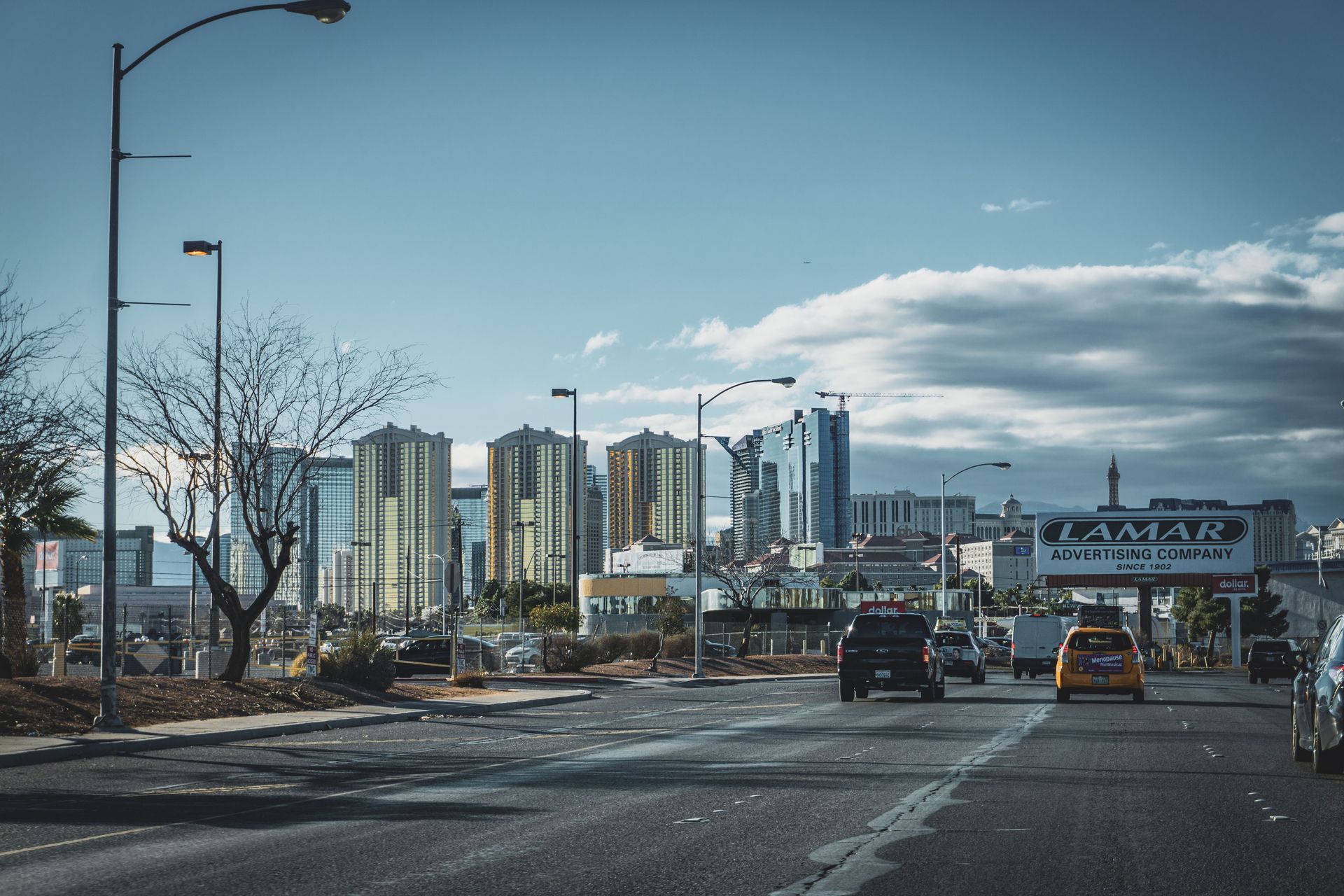
Can You Afford to Live in Las Vegas? Cost of Living in LV, Answered

Las Vegas has a reputation built on all-you-can-eat buffets and neon, but the people who actually live here are running the same math as everyone else. They are budgeting for rent, groceries, and a summer electric bill that can make your eyes water. What draws thousands of new residents to the valley each year is a simple promise that your dollar stretches further here than in the coastal cities most of them are leaving behind. That promise is mostly true, though it comes with a few desert-sized asterisks.
The valley sits a shade above the national average for overall cost of living, largely because housing has climbed hard over the past decade. Still, when you stack Las Vegas against Los Angeles, San Diego, or the Bay Area, it looks like a bargain, which is exactly why California license plates keep showing up in moving-truck convoys headed east on I-15. The trick to living here affordably is understanding where the real costs hide. Some categories are genuinely cheap, and a couple will surprise you if you are not ready for them.
Buying a Home in the Valley
Homeownership in Las Vegas is not what it was in 2013, but it still beats the coast handily. The median home price sits in the mid-$400,000s, a number that stings compared to a decade ago yet looks generous next to almost any major California metro. Prices have leveled off after the frenzy of the early 2020s, and buyers now have a bit more room to negotiate than they did when homes sold in a weekend. Newer master-planned communities in Summerlin and Henderson command premiums, while older neighborhoods closer to the central valley offer more accessible entry points.
Where Las Vegas quietly wins is the ongoing cost of owning that home. Nevada carries a 0.50 percent effective property tax rate on owner-occupied housing, one of the lowest in the western United States, and annual increases on a primary residence are capped at 3 percent. That cap matters more than people realize, because it protects longtime owners from getting taxed out of a home whose value has doubled. For a family relocating from a state where property taxes routinely top 1.5 percent, the yearly savings can run into the thousands.
If you're still comparing destinations before making a move, it's helpful to see how Las Vegas stacks up against other growing cities. While Southern Nevada continues to attract buyers with relatively affordable housing and favorable tax policies, it's just one of several areas experiencing strong demand. Our guide to
hot housing markets for your next move explores other communities worth considering as you plan your relocation.
Renting Instead
Plenty of new arrivals rent first to figure out which corner of the valley suits them, and the rental market is reasonable by big-city standards. The average apartment rents for roughly $1,450 a month, with a typical one-bedroom landing closer to $1,300 depending on the neighborhood and how new the building is. Rents cooled off after a wave of apartment construction added supply, which gave tenants a little leverage they did not have a few years back. That said, the newest luxury complexes near Downtown Summerlin or the Arts District will still push well past those averages.
Location drives the price more than anything. A unit near the Strip or in a walkable, amenity-heavy district costs a premium, while suburbs out toward the valley's edges in the northwest or southeast offer more square footage for the money. Commute times factor in too, since a cheaper apartment 30 minutes from your job can quietly cost you in gas and time. Renters who take a weekend to actually drive the neighborhoods almost always find a better deal than those who sign sight unseen.
The Tax Picture Is the Big Draw
Here is the number that makes the whole move pencil out for a lot of households. Nevada does not have a state individual income tax, which means the salary you negotiate is much closer to the salary you actually keep. A worker earning a solid wage in Las Vegas holds onto thousands more each year than a counterpart doing identical work in California or Oregon. Retirees benefit even more, since Social Security and pension income also escape state taxation, and that is a major reason the Henderson retirement communities keep filling up.
The trade-off shows up at the register. Sales tax in the Las Vegas area runs around 8.375 percent, a touch above the statewide average combined rate of 8.24 percent, so day-to-day purchases cost a little more than the sticker suggests. For most households, the income-tax savings dwarf the extra pennies on sales tax by a wide margin. Nevada also skips estate and inheritance taxes, which factors into the calculus for anyone thinking about the long game.
Utilities and the Summer Reckoning
Electricity in Las Vegas is genuinely cheap on a per-unit basis, which is the good news you lead with before the bad news. Residents pay around 14 cents per kilowatt-hour, roughly 31 percent below the national average, and the typical monthly electric bill lands near $187 across the year. The catch is that "across the year" masks a brutal seasonal swing that every newcomer learns the hard way. When the valley bakes through June, July, and August, an air conditioner in a mid-sized home can push the summer bill into the $280 to $420 range.
Total monthly utilities, once you fold in water, sewer, trash, and gas, can break the $200s for sure, for a typical household. Water is a live issue here given the Colorado River shortage, and the region has aggressive conservation rules that can add fees for overusing landscape irrigation. Internet and the rest of the fixed costs sit right around the national norm, so no surprises there. The honest budgeting move is to average your expected summer and winter bills rather than trusting the annual number, because those triple-digit August afternoons are not optional.
Groceries, Gas, and Getting Around
Food costs in Las Vegas run slightly above the national average, which surprises people who expect a desert city to be cheap across the board. A standard grocery run costs a bit more than it would in the Midwest or the South, partly because much of the produce is trucked in. Dining out spans the full spectrum, from budget taco shops in the Chinatown corridor to Strip restaurants that will happily relieve you of a week's pay. Most locals treat the celebrity-chef spots as occasional splurges and do their everyday eating far from the tourist zones.
Getting around is where the desert layout costs you. Las Vegas grew fast and flat, so it is a car-dependent city where public transit works for some commutes but not most. Gas prices in Nevada tend to sit above the national average, closer to California's, and the sprawl means you will log real miles between home, work, and errands. Car ownership, insurance, and fuel add up to a meaningful line item in the monthly budget. Anyone moving from a walkable city should factor a reliable vehicle into the true cost of living here.
Making the Numbers Work
So what does it actually cost to live in Las Vegas? A single person renting a modest apartment can build a comfortable life on roughly $2,800 to $3,400 a month once housing, utilities, food, and transportation are covered. A family of four typically budgets somewhere between $5,500 and $7,000 depending on the neighborhood and lifestyle. Those figures land above the national average on paper, but the missing income tax quietly hands a chunk of that difference back at every paycheck.
As you become more familiar with self-storage, you may also hear about storage auctions, which are held when abandoned units are sold in accordance with state regulations. If you've ever wondered how the process works, our
beginner's guide to navigating self-storage auctions explains what to expect, how auctions are conducted, and what first-time participants should know before attending one.
The valley rewards people who plan for its quirks and punishes those who assume desert equals dirt cheap. Budget honestly for the summer cooling bills, factor in the driving, and take advantage of the tax savings, and Las Vegas can be a genuinely affordable place to build a life. If you are getting ready to make the move and need a little extra space while you settle in, ClearHome Self Storage on Arville Street has flexible, climate-controlled options to make the transition easier.