The 5 Pros and Cons of Living in Las Vegas, Nevada
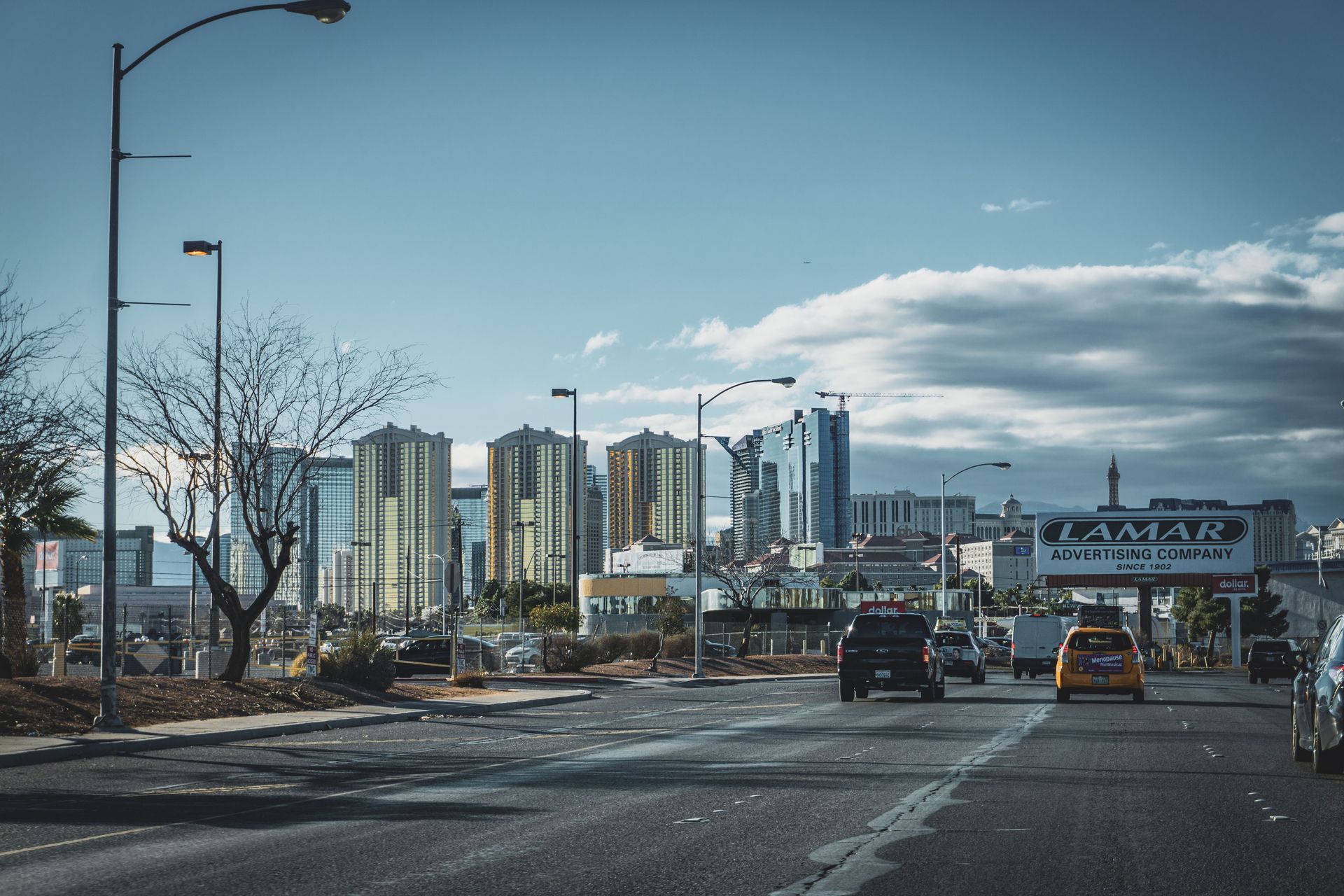
Most people picture Las Vegas as a neon strip of casinos and buffets, but the four million residents who call the valley home rarely spend their weekends at a blackjack table. The real Las Vegas is a fast-growing desert metropolis wrapped by red rock mountains, powered by a 24-hour economy, and shaped by a climate that swings from perfect to punishing depending on the month. People move here from California, the Midwest, and just about everywhere else chasing lower costs, steady work, and sunshine that shows up almost every day.
Living here can be a genuinely good deal, but it comes with trade-offs that the tourism ads never mention. Some residents love the energy and the tax savings; others get worn down by the summer heat and the constant construction. If you are weighing a move to Southern Nevada, here is an honest look at what daily life actually feels like once the vacation ends.
Pros of Living in Las Vegas
1. No State Income Tax
Nevada is one of a handful of states with no personal income tax, and that single fact reshapes household budgets across the valley. A worker earning a solid salary in Las Vegas keeps thousands more each year than a neighbor doing the same job in California or Oregon. That money tends to go toward rent, a mortgage, or simply a bit of breathing room in the monthly budget.
The savings add up beyond your paycheck too. There is no tax on retirement income, which is a big reason retirees keep flooding into Henderson and Summerlin. For anyone relocating from a high-tax state, the difference in take-home pay is often the number that makes the whole move pencil out.
2. The Job Market is on a Tear
Nevada has led the entire country in job growth for nine straight months, according to reporting in the Las Vegas Sun, with total employment climbing past 1.6 million. Hospitality is still the backbone, but the growth story now runs much deeper than casinos. Professional services, healthcare, logistics, and tech-adjacent roles have all been expanding as the region works to diversify beyond the Strip.
That momentum matters if you are moving without a job already lined up. New arrivals find that openings exist across skill levels, from entry-level service work to specialized professional roles. The catch worth knowing is that fast hiring also draws job seekers in, so competition for the best positions is real, which brings us to a con later on.
3. Red Rock and Mount Charleston Are in Your Backyard
Fifteen minutes past the last strip mall, the desert turns dramatic. Red Rock Canyon National Conservation Area sits about 17 miles west of the Strip and offers a 13-mile scenic loop, world-class rock climbing, and hiking trails that range from a quick stroll to an all-day scramble. Locals treat it like a neighborhood park, showing up at dawn before the heat sets in.
When summer bakes the valley, residents simply drive up. Mount Charleston climbs to nearly 12,000 feet and stays 20 to 30 degrees cooler than the city, with pine forests, 60-plus miles of trails, and skiing at Lee Canyon in winter. Having alpine snow and desert canyon in the same afternoon radius is something few American cities can match.
4. Entertainment That Never Clocks Out
You will never run out of things to do, and much of it is genuinely world-class. Residents get access to touring concerts, championship boxing, Cirque shows, and now major league sports with the Golden Knights and Raiders both drawing sellout crowds. The Sphere alone has turned into a destination that people fly in to see.
The everyday version of this is the food. Beyond the celebrity-chef restaurants on the Strip, the Chinatown corridor along Spring Mountain Road is one of the best Asian dining stretches in the country, and the 18b Arts District downtown keeps adding independent breweries, galleries, and coffee shops. Locals learn quickly that the best meals are usually miles from the casinos.
5. Housing Still Beats the Coast
Compared to the California cities that feed most of its migration, Las Vegas remains a relative bargain. The median home price sits in the mid-$400,000s, which stings compared to a decade ago but looks like a gift next to Los Angeles or the Bay Area. Newer master-planned communities in Summerlin and Henderson offer modern homes with amenities that would cost double across the state line.
Renters get a similar story. A typical apartment runs well under what comparable coastal metros charge, and the valley keeps building to keep pace with demand. For families priced out of California, that gap is often the entire reason they packed the truck.
Before making the drive to Southern Nevada, it's worth taking the time to load your belongings correctly. A well-packed moving truck not only helps maximize space but also reduces the risk of damage during the trip. Our guide on
how to properly pack a moving truck covers practical tips for organizing heavy furniture, stacking boxes safely, and making unloading much easier once you arrive.
Cons of Living in Las Vegas
1. The Summer Heat Is Brutal and Getting Worse
There is no sugarcoating it. Las Vegas just logged its hottest summer on record, with an average daily high of 107.6 degrees and 36 days at or above 110, according to the Las Vegas Review-Journal. The city hit an all-time high of 120 degrees on July 7, and 86 of 91 summer days topped 100.
That kind of heat reorganizes your life from June through September. You run errands at 6 a.m., your car interior becomes an oven, and cooling bills climb even in an efficient home. Heat-related deaths reached tragic levels during the worst stretches, and residents take the danger seriously rather than treating it as a punchline.
2. Water is a Long-Term Question Mark
Las Vegas draws roughly 90 percent of its water from the Colorado River through Lake Mead, and the lake keeps dropping. It could approach a record low near 1,036 feet in 2026, and Nevada is already living under federal shortage cuts that reduce its annual allocation. The seven states that share the river have missed deadlines to agree on a long-term plan before the current rules expire.
The valley has responded impressively, cutting per-capita water use by 58 percent since 2002 even as the population boomed. Grass lawns are being ripped out by ordinance, and conservation is a genuine civic habit. Still, if you are planting roots for decades, the region's water future is a real consideration rather than an abstract worry.
3. Unemployment Runs Higher Than the Nation
For all the job growth, the flip side is a jobless rate that stubbornly sits above the national figure. Nevada's unemployment held at 5.3 percent while the country averaged 4.3, and within the metro, North Las Vegas ran higher still. A booming labor market pulls in so many job seekers that the rate stays elevated even as employment climbs.
What that means for you is that landing a job is not automatic, especially in a downturn. The economy remains tied to tourism and discretionary spending, so when the country tightens its belt, Las Vegas tends to feel it first and hardest. Arriving with savings or a job already secured is smart insurance.
4. Everything is Spread Out and You Will Drive
Las Vegas grew fast and flat, and the result is a car-dependent valley where destinations sit far apart. Public transit exists but is limited and slow for most commutes, so nearly everyone relies on a vehicle. A trip from the north valley to Henderson can eat up 45 minutes, and Strip-area traffic snarls spill onto the freeways during big events.
The sprawl also means constant construction as the metro keeps pushing outward. New subdivisions, road widening, and resort projects create detours and dust that longtime residents grumble about. If you value walkable neighborhoods and short commutes, the layout here will test your patience.
5. It is a Transient Town With Thin Roots
A city built on tourism and constant in-migration has a churn to it that some people never quite settle into. Neighbors come and go, service industry schedules run all night, and the social fabric can feel looser than in a slower-growing city. Building a stable friend group sometimes takes more effort than newcomers expect.
The 24-hour culture cuts both ways as well. The energy that makes the city exciting also means noise, crowds, and a party atmosphere that follows you into everyday errands near the tourist corridors. Plenty of residents love that pulse, but families seeking a quiet, rooted community sometimes find they need to head to the outer suburbs to get it.
Should You Move to Las Vegas?
So should you pack up for the desert? If you want lower taxes, steady work, cheaper housing than the coast, and mountains within reach of your front door, the case for Las Vegas is strong. You will trade away comfortable summers and easy commutes, and you will need to make peace with a water outlook that nobody can fully predict. For a lot of people, those trade-offs are more than fair.
The truth is that Las Vegas tends to win residents over in ways the Strip never could. Once you have watched the sun drop behind Red Rock, kept an extra few thousand dollars in your pocket at tax time, and found your favorite hole-in-the-wall in Chinatown, the 115-degree afternoons start to feel like the cost of admission. It is not a place for everyone, but for the right person, it delivers a life that few cities can.
If you are getting ready to move to Las Vegas or have just arrived, storage can take a lot of stress out of the transition. ClearHome Self Storage at 1313 Arville St sits just west of the Strip near I-15, with
climate-controlled units held between 55 and 80 degrees so your furniture, electronics, and keepsakes never sit through a 120-degree day. The facility offers drive-up and indoor units, dedicated
parking for vehicles, boats, and RVs, plus on-site moving truck rentals and packing supplies to make the haul easier.
Storage can also be a valuable resource for entrepreneurs and small business owners relocating to the Las Vegas area. Whether you're storing excess inventory, business equipment, or seasonal merchandise, staying organized makes day-to-day operations much easier. Our guide to
inventory management for small businesses offers practical strategies for keeping products organized while making the most of your storage space.
With coded gate entry, individual unit alarms, perimeter fencing, and 24/7 cameras, your belongings stay secure while you settle in. Stop by ClearHome Self Storage on Arville Street to find the right space for your move to the valley.