Climate-Controlled Storage, Answered: What It Does and When You Need It
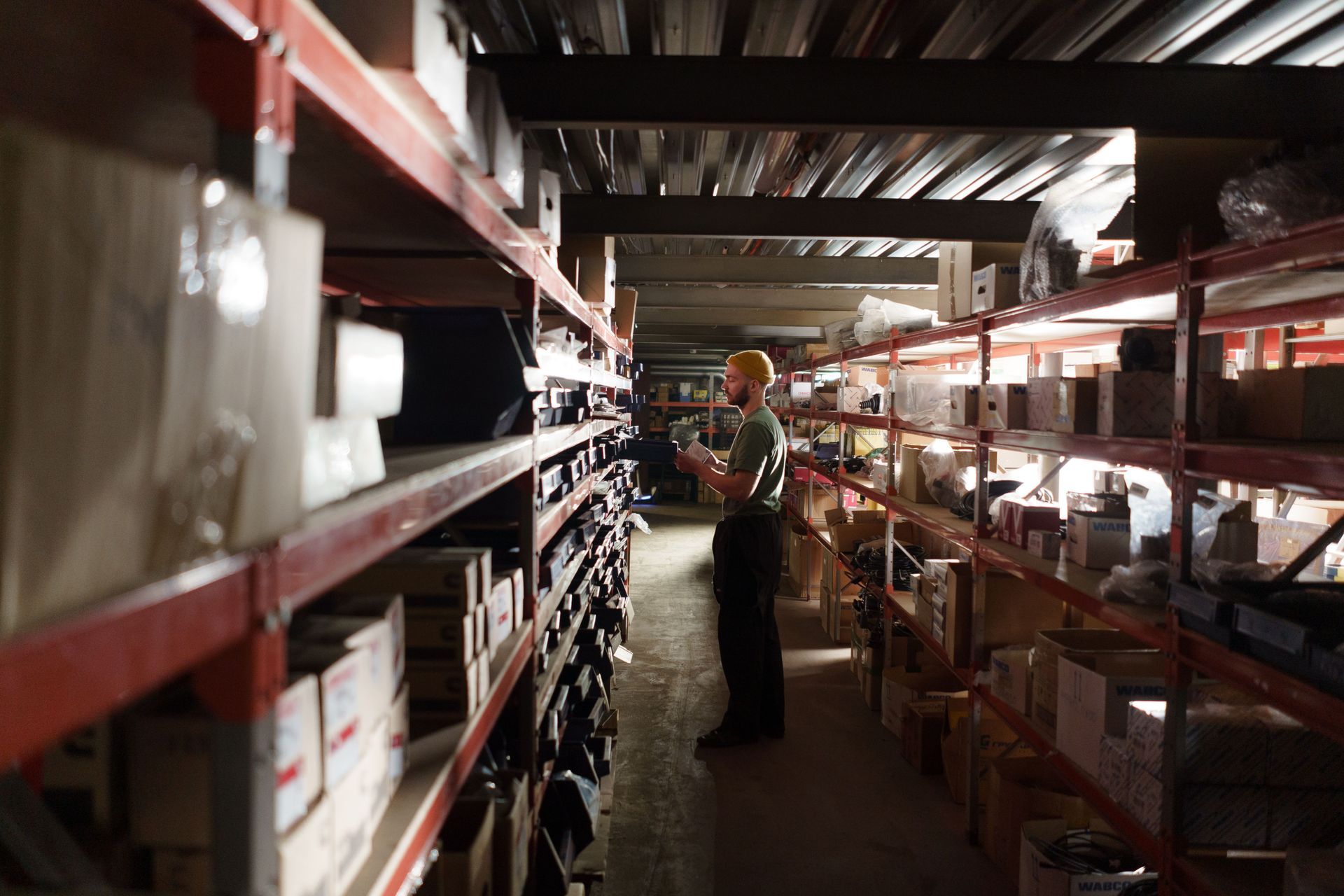
Climate-controlled storage comes up whenever people are storing furniture, electronics, documents, photographs, or other belongings they wouldn't normally leave in a hot garage or damp shed. But deciding whether you actually need it is less obvious. The answer depends on what you're storing, how long it will stay there, and the conditions outside.
Location matters too. Heat and humidity create different storage problems in Florida than desert heat does in Nevada. At ClearHome Storage, climate-controlled units are available at select properties, including self storage in Jacksonville, FL. Here's what climate control does and where paying for it makes sense.
What Is Climate-Controlled Storage?
A climate-controlled unit provides a more regulated indoor environment than a standard unit. Across our properties, the exact setup can vary by location, so renters should check the facility page before choosing a unit. That controlled environment is useful because many household materials don't react well to prolonged heat, moisture, or major temperature changes. Wood can expand, contract, crack, or warp. Paper and photographs can deteriorate. Electronics and musical instruments also contain materials and components that are better suited to the conditions you'd normally maintain inside a home.
Does Climate Control Regulate Humidity?
This is one detail worth checking at the individual property rather than assuming. Temperature control and humidity control aren't automatically the same thing, and storage operators use terms such as climate controlled, temperature controlled, and air cooled differently. If humidity is the main concern because you're storing paper, upholstered furniture, photographs, or similar belongings, ask the facility exactly what its system regulates. The goal is to choose a unit based on what it actually provides rather than relying on the label alone.
What Should Go in Climate-Controlled Storage?
Start with a simple test: would you be comfortable leaving the item in an unconditioned garage for several months? If the answer is no because of heat, moisture, or temperature swings, climate control deserves serious consideration. Wood furniture is a common example. Repeated environmental changes can be hard on solid wood, veneers, adhesives, and finishes. Upholstered furniture also benefits from a cleaner indoor environment, particularly when you're storing it for an extended period. Electronics, photographs, paper records, books, artwork, leather goods, and musical instruments are other common candidates. Business owners may also choose climate control for documents, electronics, or inventory that shouldn't sit in an unconditioned space.
Does Climate Control Matter in Florida?
Florida is one of the places where the decision deserves extra attention. Jacksonville and Mary Esther both combine high temperatures with humid conditions, so an unconditioned storage space isn't the same environment as a bedroom closet or office. Our Firestone Road property offers climate-controlled self storage in Jacksonville, FL, along with standard options such as drive-up units. That gives renters a choice based on what they're storing instead of treating every box or piece of furniture the same way.
Climate control is also available at our properties in Mary Esther. If you're comparing self storage in Mary Esther, FL, think about how long your belongings will be stored and how sensitive they are to heat and moisture. Someone storing patio equipment has a different set of requirements from someone storing family photographs or wood furniture.
Military households in Northwest Florida face another consideration: storage may last longer than originally expected when orders, deployments, or housing plans change. Our guide to climate-controlled storage for military members covers that situation in more detail, while our guide to moving to Mary Esther is useful for anyone still planning a relocation to the area.
What About Dry Heat in Las Vegas?
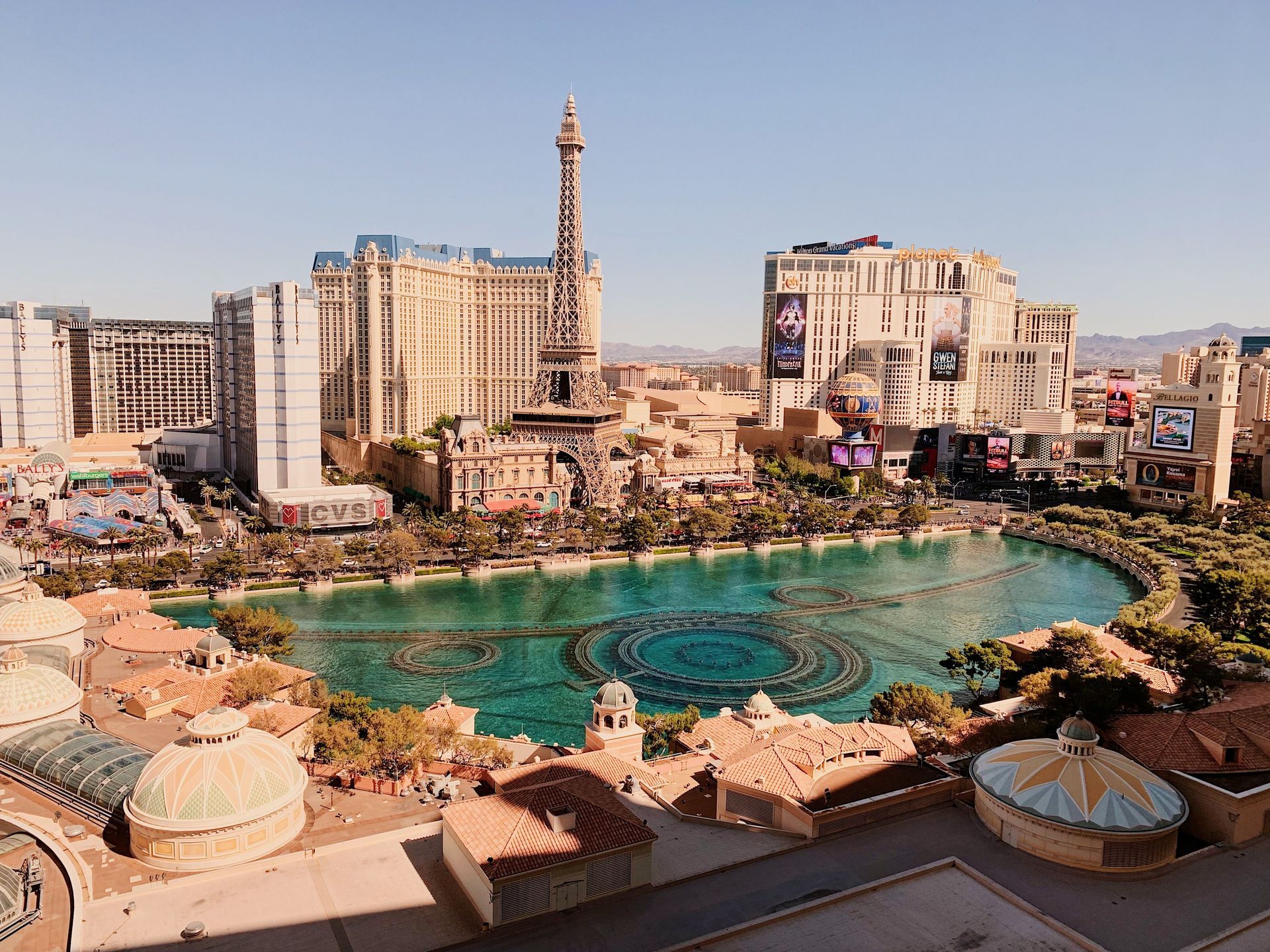
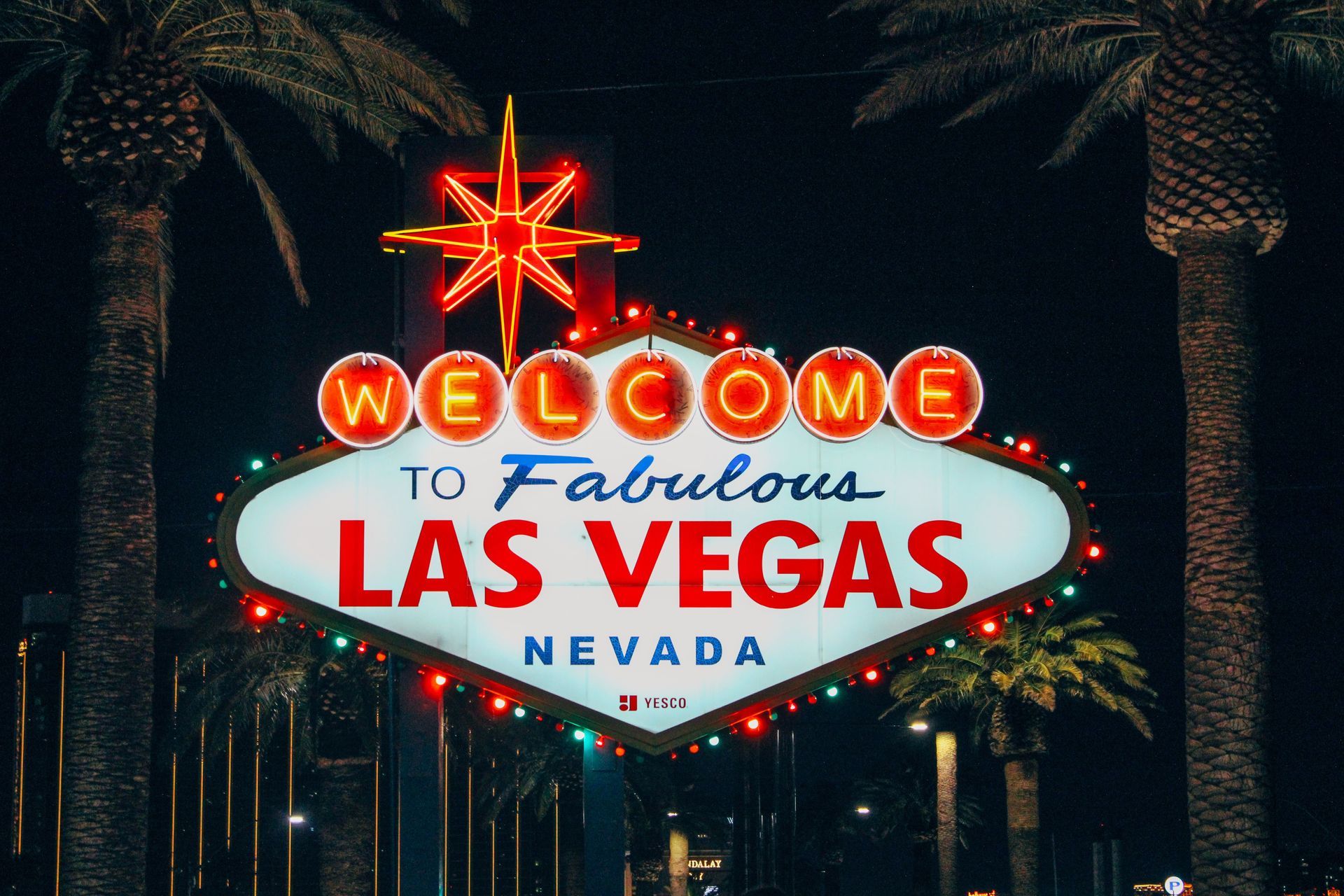
Humidity isn't the only reason to consider climate control. Las Vegas presents almost the opposite problem. The desert is dry, but summer heat can be severe, and sensitive belongings can still suffer in spaces exposed to prolonged high temperatures. At our Arville Street property, climate-controlled storage units in Las Vegas maintain indoor temperatures between 55 and 80 degrees. The property sits at 1313 Arville Street, west of the Strip, and also offers drive-up units for belongings that don't require the same controlled environment.
This distinction matters when choosing between unit types. A durable item that tolerates heat may be perfectly suitable for standard storage. Electronics, wood furniture, documents, photographs, and musical instruments call for more caution when they're staying in storage through a Las Vegas summer.
Is Climate Control Necessary for Short-Term Storage?
Not always. A few durable household items stored briefly may not justify climate control, particularly if they're designed for garages, sheds, or outdoor use. Storage duration is only one part of the decision, though. A sensitive item doesn't become heat-resistant because it's stored for a shorter period.
Think about the item first, then the expected length of storage and local conditions. If you'd normally keep something inside your air-conditioned home because you're concerned about temperature or moisture, moving it into an uncontrolled space changes its environment considerably.
Is Climate-Controlled Storage More Expensive?
Climate-controlled units usually cost more than comparable standard units because maintaining a regulated indoor environment requires additional equipment and energy. The actual difference depends on the property, unit size, availability, and local pricing, so there isn't a useful universal dollar figure.
The better comparison is between the rental options available at the property you're considering. If you're storing replaceable plastic bins or outdoor equipment, paying extra may not make sense. If you're storing an instrument, valuable wood furniture, important records, or electronics, the additional protection may matter more than the price difference.
Does Climate Control Replace Proper Packing?
No. Climate control addresses the storage environment, but it doesn't compensate for poor preparation. Furniture should be clean and dry before storage. Electronics should be packed according to the manufacturer's instructions, preferably with cables and accessories labeled. Documents and photographs should be organized in appropriate containers rather than left loose, and nothing should be packed while damp. Leave some room around stored belongings instead of forcing everything tightly against walls. A little organization also keeps you from unpacking half the unit when you need one box six months later.
Choosing the Right Environment for Your Belongings
Climate-controlled storage is most useful when the belongings you're storing would be vulnerable to the conditions outside the unit. In Jacksonville and Mary Esther, heat and humidity deserve attention. In Las Vegas, intense dry heat creates its own reason to keep sensitive belongings in a more stable indoor environment.
You don't need to put every possession in climate control. Separate durable belongings from temperature-sensitive ones, consider how long they'll be stored, and check the features at the property you're considering. If you're comparing locations, you can
explore
storage options from ClearHome Storage and confirm which properties offer the unit type you need.