Living in Denver, Colorado: The Pros, Cons, and Everyday Tradeoffs

Denver attracts people who want city amenities without giving up access to the outdoors. Its neighborhoods, employment opportunities, and proximity to the Rocky Mountains make it an appealing place to settle. Still, housing costs, traffic, and the realities of living in a growing metropolitan area deserve consideration.
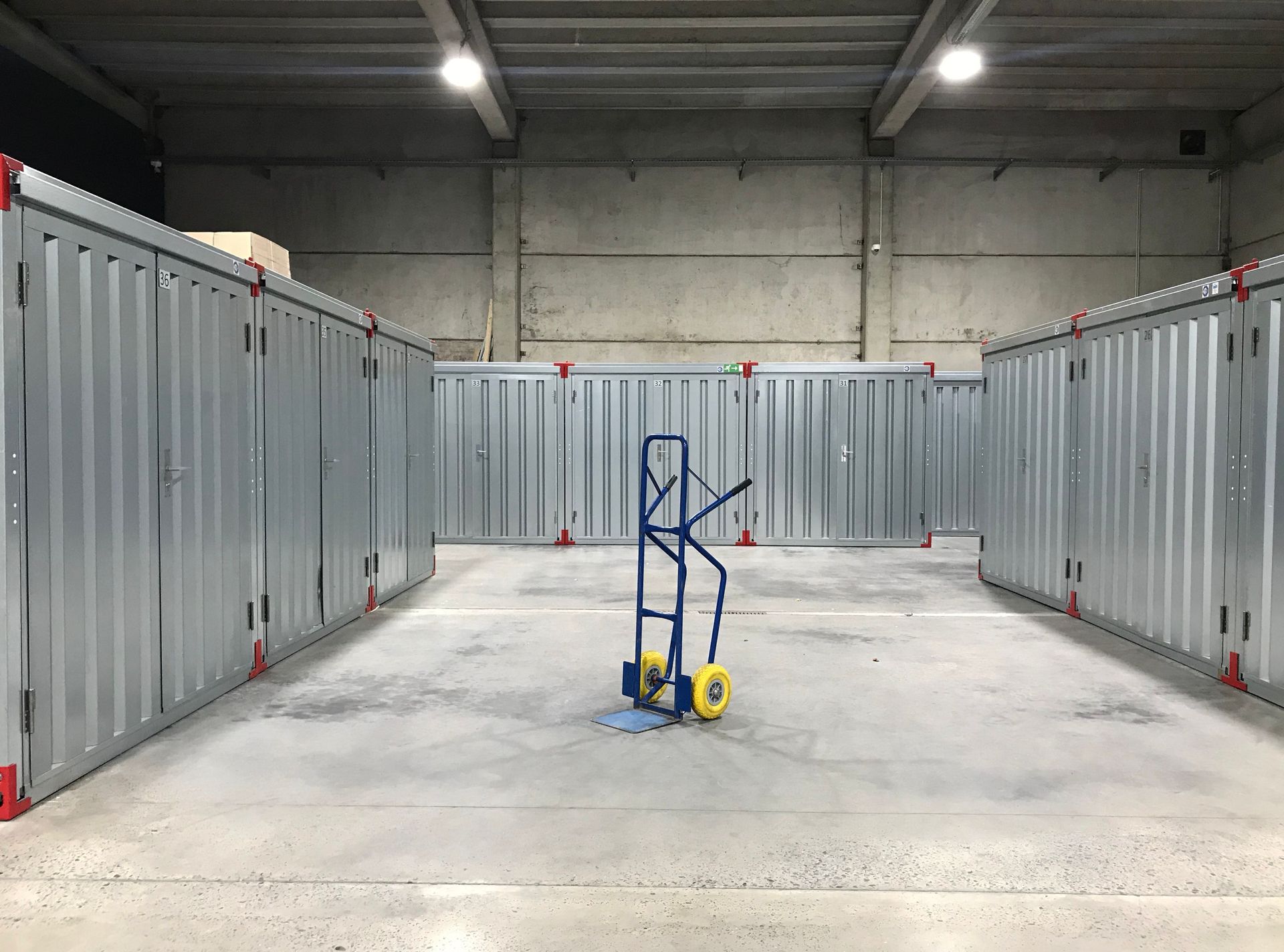
If you're planning a move, understanding these tradeoffs will help you choose a neighborhood and living arrangement that suits your priorities. At ClearHome Self Storage, we offer storage options in Denver for residents managing relocations, downsizing, or making more room at home.
Pro: Access to Outdoor Recreation
One of Denver's strongest advantages is its location near the Front Range. Residents have access to hiking, cycling, camping, and winter recreation without needing to live in a mountain town. Rocky Mountain National Park, state parks, and numerous Front Range trail systems offer opportunities for weekend outings.
Denver also has outdoor spaces within the city. Washington Park, City Park, and the Cherry Creek Trail provide options for walking, running, and cycling without leaving the metropolitan area. The tradeoff is that popular mountain destinations can become crowded, especially on weekends and holidays. Travel conditions and parking availability should be considered before planning a trip.
Con: Housing Can Be Expensive
Housing affordability is a significant consideration for anyone relocating to Denver. According to Zillow's Denver housing analysis, typical monthly rent was $1,858 in March 2026, while the average home value was approximately $573,363.
Those figures don't describe every neighborhood, but they demonstrate why housing costs need to be part of the decision. Renters should compare apartments based on total monthly expenses, including utilities and parking. Buyers need to account for insurance, taxes, maintenance, and mortgage financing. Living farther from downtown may change the available housing options, though transportation costs can offset some of the savings.
Pro: Distinct Neighborhoods
Denver isn't a city where every neighborhood feels the same. Capitol Hill offers a more urban residential environment with apartment buildings and nearby businesses. Washington Park is known for its park and surrounding residential streets. University Hills provides access to southeast Denver and the University of Denver area.
Each neighborhood has different housing characteristics, parking arrangements, and transportation options. Before choosing an area, visit at different times of day and consider the places you'll travel regularly. A neighborhood that works well for weekend recreation may not be the best fit for a daily commute.
Con: Traffic and Commuting
Denver's transportation network includes major highways such as I-25 and I-70, but commuting can still be frustrating. Congestion affects travel during busy periods, and trips toward the mountains may require extra planning during popular recreation weekends.
Public transportation provides an alternative for some residents. RTD operates bus and rail services, though route coverage and service frequency differ across the metropolitan area. If you're considering living without a car, evaluate the specific transit connections between your home, workplace, and regular destinations before making a decision.
Pro: Employment and Education Opportunities
Denver has employers across healthcare, technology, professional services, education, and government. The metropolitan area also includes institutions such as the University of Denver and the University of Colorado Denver, along with community colleges and specialized training programs.
For people considering a career change or additional education, the presence of multiple institutions and employers is an advantage. Still, job availability varies by industry and experience. Research salaries and current openings before relocating, especially if you're moving without an existing offer.
Con: Adjusting to the Elevation
Denver sits at approximately 5,280 feet above sea level, which is why it's commonly called the Mile High City. People arriving from lower elevations may notice the thinner air during physical activity. Some experience headaches, fatigue, or other symptoms while adjusting.
Staying hydrated, limiting strenuous exercise at first, and allowing time to acclimatize are sensible precautions. Anyone with relevant health concerns should seek medical advice before undertaking demanding high-altitude activities. Elevation is especially important for newcomers planning mountain hikes shortly after arriving. Many mountain destinations sit considerably higher than Denver itself.
Pro: Entertainment and Cultural Attractions
Denver offers professional sports, museums, concert venues, and performing arts throughout the year. The Denver Art Museum, Denver Museum of Nature & Science, and Denver Botanic Gardens are established local attractions. Downtown entertainment districts and neighborhood restaurants add further options.
Residents who enjoy live events have access to venues such as Ball Arena and Red Rocks Amphitheatre in nearby Morrison. Living near entertainment districts may reduce travel time, though parking, noise, and housing costs should be part of the neighborhood comparison.
Con: Limited Space in Some Urban Homes
Moving into a Denver apartment may mean adjusting to less storage space than you'd have in a suburban home. Older buildings may have smaller closets, while newer apartments sometimes prioritize shared amenities over large private storage areas. The available space depends on the property, so it's worth measuring before signing a lease.
For residents who want to keep outdoor equipment, seasonal belongings, or furniture without overcrowding their homes, off-site storage is one option. Our guide to decluttering your home offers a useful starting point for deciding what to keep accessible.
Is Denver a Good Place to Live?
Denver makes sense for people who value outdoor access, urban amenities, and a variety of neighborhoods. Its location and employment opportunities are meaningful advantages, but they need to be weighed against housing expenses and commuting requirements. Before moving, compare neighborhoods based on your actual routine. Review housing costs, transportation options, and the amount of living space you'll need. If travel and recreation are important parts of your plans, our article about saving money for spring break and summer travel provides ideas for keeping those activities within your budget.
Settling Into Your Denver Home
A successful move starts with choosing a home that fits your budget and daily routine. Once you've found the right neighborhood, sorting your belongings before moving day will make unpacking easier. At ClearHome Self Storage, our facility at 2425 S Colorado Boulevard offers month-to-month rentals and climate-controlled options for belongings that don't fit into your new space. You can
explore
storage options from ClearHome Self Storage when planning your move or reorganizing your home.