Preparing Your Vehicle for Storage in Lakeland, Florida: What to Do Before Parking

Leaving a vehicle parked for several weeks or months requires more preparation than simply turning off the engine. Batteries gradually lose charge, tires can develop flat spots, and moisture inside the cabin can become a problem. In Lakeland, Florida, heat and humidity make proper vehicle preparation particularly important.
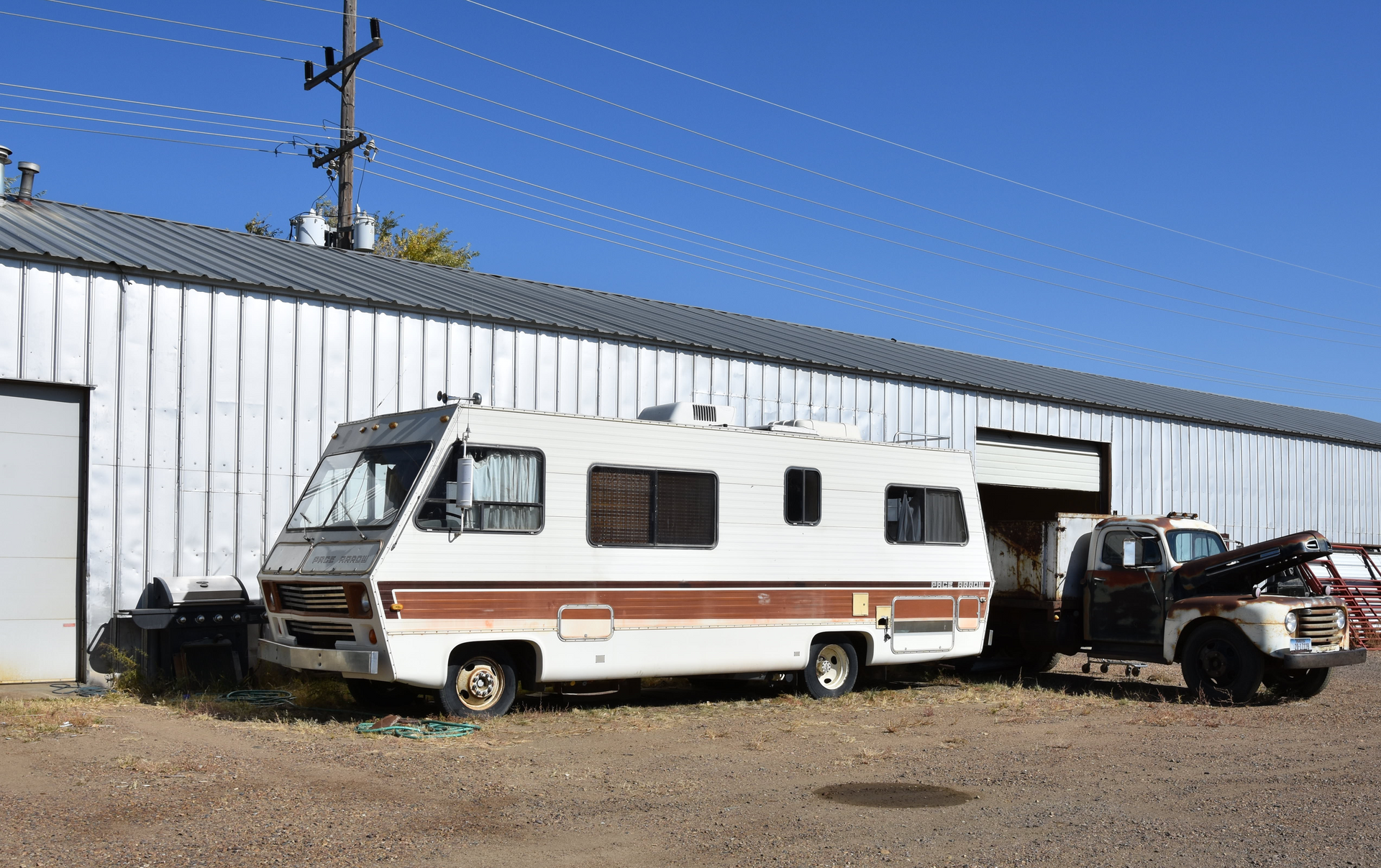
At ClearHome Self Storage, we offer storage options in Lakeland at 1075 W Pipkin Road, including dedicated vehicle parking. Our location offers covered and uncovered parking options for cars, boats, and RVs, so drivers can choose a space that suits their vehicle and storage plans. Before leaving your car in storage, work through the following preparation steps.
Wash and Dry Your Vehicle
Start with a thorough exterior wash. Road grime, bird droppings, and other contaminants shouldn't remain on the paint for months, particularly when the vehicle will be parked outdoors. Clean the wheels and wheel wells, then allow the vehicle to dry completely. A protective automotive wax may be worthwhile if the vehicle will be exposed to the elements. Pay attention to any existing paint damage or corrosion. Storage won't stop those problems from progressing, so address them before parking the vehicle for an extended period.
Clean the Interior Before Storage
Remove food, beverages, trash, and anything else that could attract pests or create odors. Vacuum the carpets and upholstery, wipe down hard surfaces, and check the trunk for forgotten items. Floor mats should be cleaned and completely dry before being returned to the vehicle.
Moisture deserves special attention in Florida. If you've recently cleaned the interior with water or upholstery products, give everything sufficient time to dry before closing the windows and doors for storage. Avoid leaving valuables, important documents, or items sensitive to heat inside the vehicle.
Check Your Oil and Other Fluids
Your vehicle's maintenance schedule should guide fluid preparation. If an oil change is due or approaching, consider completing it before storage. Used oil can contain contaminants, and leaving a vehicle parked with overdue maintenance isn't ideal.
Check the coolant, brake fluid, and other serviceable fluids according to the owner's manual. Look for leaks that should be repaired before parking. Don't assume every vehicle requires a complete fluid change before storage. The appropriate preparation depends on the vehicle's age, condition, and expected storage duration.
Prepare the Fuel System
Fuel preparation depends on how long the vehicle will remain parked and the manufacturer's recommendations. For gasoline-powered vehicles, a fuel stabilizer may be appropriate for extended storage. Choose a product compatible with the vehicle and follow its instructions, including any recommendations about fuel level and circulation.
Avoid leaving old fuel in the vehicle indefinitely. Gasoline deteriorates over time, and the rate depends on its formulation and storage conditions. Diesel vehicles, hybrids, and other powertrains may require different procedures. Consult the owner's manual rather than applying a single preparation method to every vehicle.
Protect the Battery
A vehicle battery slowly discharges even when the engine is off. Electronic systems, alarms, and other components may continue drawing power while the car is parked. For extended storage, a compatible battery maintainer may be useful if an approved power source is available. Battery disconnection is another option for some vehicles, but it can affect electronic settings and vehicle systems.
Our Lakeland facility offers vehicle parking, but renters should not assume electrical hookups are included. Confirm the available parking features before planning to use a battery maintainer. If you're unsure how to handle your vehicle's battery, consult a qualified technician. Modern vehicles can have manufacturer-specific storage requirements.
Prevent Tire Problems
Tires can develop flat spots when a vehicle remains stationary for long periods. The risk depends on tire construction, inflation pressure, vehicle weight, and storage duration. Before parking, inspect the tires for damage and inflate them according to the manufacturer's recommendations. Don't exceed the maximum pressure listed on the tire sidewall.
For longer storage periods, ask a qualified technician whether additional measures are appropriate. When retrieving the vehicle, check tire pressure again before driving. Tires can lose air gradually even when they appear properly inflated.
Consider Covered Vehicle Storage in Lakeland
Lakeland's outdoor conditions are an important consideration when choosing between covered and uncovered parking. Direct sunlight exposes paint, rubber seals, and interior surfaces to ultraviolet radiation. Rain and airborne debris also contribute to the maintenance demands of outdoor parking.
Covered parking provides overhead protection from direct sunlight and precipitation, though it doesn't create a fully enclosed environment. At our West Pipkin Road facility, we offer both covered and uncovered vehicle parking. The best choice depends on your vehicle, how long you plan to store it, and your budget. Our vehicle, boat, and RV parking options provide more information about this type of storage.
Choose an Appropriate Vehicle Cover
If you're using a vehicle cover, select one designed for your vehicle's dimensions and storage environment. An outdoor cover should be breathable and compatible with the vehicle's finish. Poorly fitted covers can move in the wind, potentially rubbing against painted surfaces.
Never place a cover over a dirty vehicle. Dust and grit trapped between the cover and paint can cause scratches. Check your facility's rules before using a cover, particularly if it will remain on a vehicle in an outdoor parking space.
Protect Against Pests
Vehicles that remain parked for extended periods can attract rodents and insects. Remove food and food packaging from the cabin, trunk, and storage compartments. Inspect accessible areas for nesting materials before parking.
Avoid placing loose chemicals or unapproved pest-control products inside the vehicle. Some products can damage interior materials or create safety concerns. If the vehicle has been stored for several months, inspect the engine compartment before starting it. Look for evidence of nesting or damaged wiring.
Review Insurance and Registration
Storage doesn't automatically eliminate the need for insurance. Before changing coverage, speak with your insurer about the policy requirements for a vehicle that won't be driven. Comprehensive coverage may still be relevant for theft, fire, or weather-related damage, depending on the policy.
Florida registration and insurance requirements also depend on the vehicle's status. Confirm the applicable rules before canceling coverage or allowing registration to lapse. Keep copies of relevant documents somewhere accessible outside the vehicle.
What to Check Before Driving Again
When you're ready to retrieve your vehicle, inspect it before starting the engine. Check the tires, fluid levels, battery condition, and engine compartment. Look beneath the vehicle for signs of leaks. Once the engine starts, pay attention to warning lights and unusual sounds. Test the brakes carefully before entering regular traffic. A vehicle stored for an extended period may need professional inspection or maintenance before returning to normal use.
Vehicle Storage on West Pipkin Road
Preparing your car properly reduces the chance of finding preventable problems when you're ready to drive again. The right parking arrangement also depends on how long the vehicle will be stored and how much exposure you're comfortable with. At ClearHome Self Storage, our Lakeland facility offers vehicle parking along with security cameras, gated entry, and daily access from 6:00 a.m. to 10:00 p.m. Drivers can
explore
storage options at ClearHome Self Storage to review available parking spaces and plan for their vehicle's storage needs.